 Posted by
 Silicate Marble Polishing: Benefits, Process, and Maintenance Guide for Lasting Shine
Marble is a timeless elegance, but maintaining its best looks is a different matter. Foot traffic, spills, and regular wear and tear may dull even the most beautiful marble floors over time. That’s where silicate marble polishing comes in, a process that not only restores the surface, but fortifies it from within.
If you have been searching for a long-term solution to your marble floor repair, then this book covers all you need to know, from what silicate polishing actually does to why professional Patthar Ghisai/polishing is worth every penny.
What is silicate marble polishing?
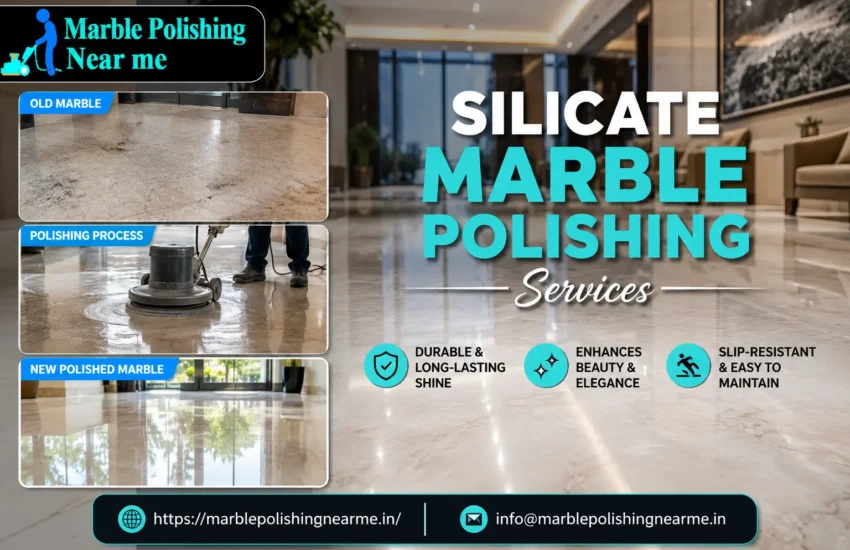
Silicate polishing operates differently from conventional polishing procedures which just affect the surface. It employs a reactive silicate chemical which penetrates the pores of the stone. Its chemistry reacts with the calcium silicate in the marble to generate a dense crystalline coating that makes the surface harder, denser and more stain-resistant.
Imagine it like putting an internal armour on your marble – undetectable, but very effective. The end effect is a bright mirror-like surface that looks amazing on day one, but also stands up to months and years of frequent use brilliantly.
Key silicate polishing advantages you should know –
Deeper protection
Bonds within the stone, not just on top, for long-lasting defence against wear and stains.
Mirror-grade shine
Produces a rich, reflective finish that surface-level buffing simply can’t match.
Stain resistant
Marble with plugged holes is far more resistant to grease, oils and dirt getting in.
Longer lifespan
The stone will need less cleaning thus it will last longer. It will save you time and money later on.
How the professional polishing process works?
Our professional marble polishing procedure is a planned strategy to ensure optimal outcomes with zero guesswork at Marble Polishing Near Me. Usually, the first step is a deep clean to remove dust, residues and any prior coatings. Next, we employ progressively finer diamond abrasives to remove scratches and surface imperfections. Then comes the application of the silicate compound, the heart of the process, and the mechanical polishing, which triggers the chemical link and produces the deep, glass-like brilliance.
The entire process is customized to your particular marble type and condition. Different stones — Carrara, Calacatta, Nero Marquina — have different porosities and hardness levels, and a skilled technician knows how to treat each one properly. This is exactly why DIY kits rarely deliver the same results.
Marble maintenance tips to protect your investment
Once your marble has been treated, good habits go a long way in preserving that showroom finish. Here are a few simple marble maintenance tips to follow:
Daily care instructions – Clean spills promptly, especially acidic liquids like as wine, lemon juice or vinegar, as even sealed marble can etch over time. To clean your home every day, use pH-neutral items and a soft mop. Don’t use a steam mop because the too much water and heat can damage the glossy layer. Don’t let furniture legs get worn down; put felt pads under them and use mats where people walk a lot.
Most floors in homes should get a light re-polish every 12 to 18 months for better care. In places with a lot of foot traffic or business, professional marble cleaning sessions may need to happen more often to keep the surface spotless.
Why choose MarblePolishingServices?
There’s no shortage of generic cleaning services out there, but marble is a specialist material — and it deserves specialist care. At MarblePolishingNearMe, we use the best silicate compounds in the business and have years of experience working on both home and business jobs. Whether we’re fixing up an old floor or taking care of a brand-new one, our marble floor restoration Noida, delhi, Dwarka, Gurugram, Faridabad work is noticeable, lasts a long time, and is well worth the money.